
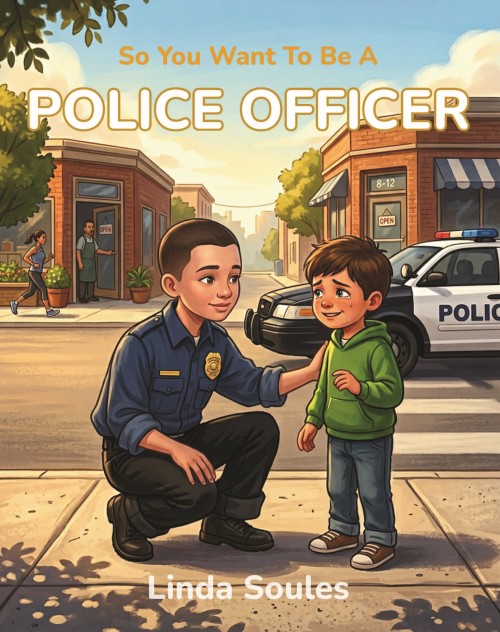


The call comes in and the details are incomplete. You do not have the full picture. You never have the full picture. What you have is training, judgment, and the responsibility to make the right decision in the time available — which is rarely enough, and never negotiable. This is not a job you do. It is something you become.
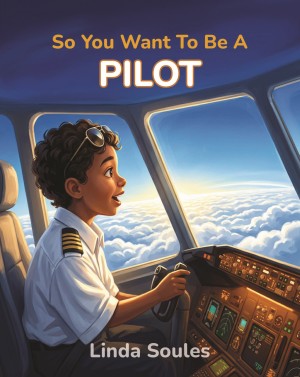
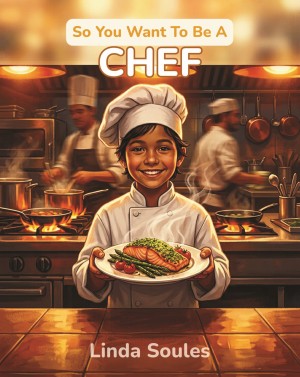
So You Want To Be A Police Officer takes young readers ages 8–12 inside one of the most complex and most consequential professions in public life — not the television version, but the real one. The roll-call briefings before the shift begins. The slow patrol through a neighborhood at first light, learning what normal looks like so you'll recognize when something isn't. The dispute between neighbors that needs a calm voice more than a uniform. The traffic stop that ends, like the vast majority of them, in a conversation. The report written carefully at the end of the day because it is a legal document and someone's life may turn on its accuracy.
This is a book about what police officers actually do — and most of what they do is not what television shows. Studies consistently find that over eighty percent of calls have nothing to do with crime: mental health crises, welfare checks, neighbor disputes, lost children, frightened people who don't know where else to turn. Police officers are the around-the-clock infrastructure for problems no other service is built to answer. The job requires physical readiness, yes — but the most important tool on the duty belt has no physical form at all. It is the officer's ability to listen, to de-escalate, to read a situation, to speak with both authority and real respect.
Inside, young readers will discover:
Honest, specific, and unafraid of the hard questions, So You Want To Be A Police Officer doesn't talk down to young readers — it brings them all the way in. It treats the badge as both an honor and a responsibility, and it treats the child reading the book as someone capable of understanding the difference. Because the child who wants to know what this work is really like deserves a real answer.
For readers who feel pulled toward something difficult and necessary. For the kid who watches an officer help a lost neighbor home and thinks, I want to be the person someone is glad to see arrive.
Communities are built on trust. Trust is built one fair, honest, careful interaction at a time. And the officers who understand that — really understand it — are the ones a neighborhood remembers by name.
Ages 8–12 · Nonfiction · Careers & Professions · Illustrated
When your child says they want to be a police officer, you want honesty, not a cartoon chase scene. Linda Soules's So You Want To Be A Police Officer delivers: a clear-eyed portrait for ages... Read the full review




Browse our calendar below to see all upcoming events and never miss a free book opportunity.
See Free Books & CalendarHelp us improve by giving your feedback.
Submit Feedback