Home / Book Reviews / The Geography of Desire
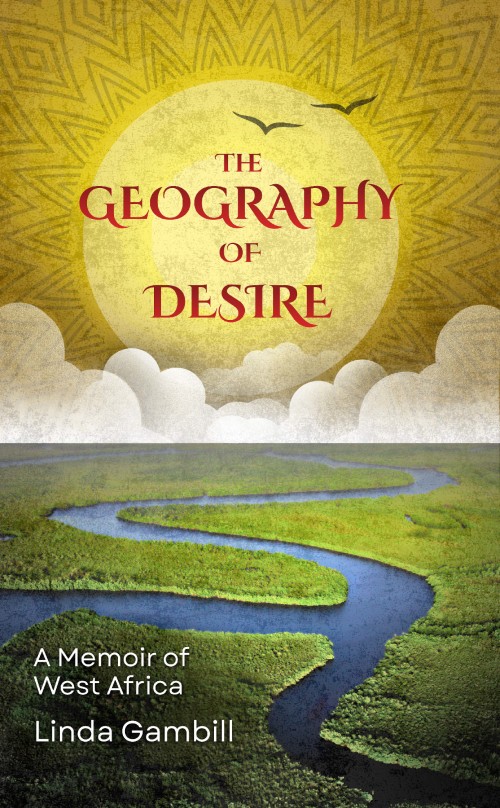
Linda Gambill’s The Geography of Desire is the kind of memoir that doesn’t just recount a journey; it interrogates the reasons for taking one. From its first pages, it’s clear this book is less about “finding yourself” than about finally stopping the self-deceptions that keep you lost.
You meet Gambill in late-1970s Tennessee, stuck in a lopsided affair and the old itch to prove she can run her own life. The Peace Corps is her way out; Medina Omar, a devout Muslim village in The Gambia, is where the tidy fantasy of “service” meets red dust, heat, and the simple fact that she’s the one everyone’s watching. Nothing here reads like a brochure. I stayed for the small stuff—greetings that feel stiff at first and slowly turn into something like belonging, women who put her through the paces with onions and laughter, nights when loneliness sits on her chest. She doesn’t cast herself as the noble volunteer. Wanting—to be useful, to be loved—gets braided with ego and grief, and the book keeps circling a blunt question: can you matter in a place that was already whole before you showed up?
What really carries the book is the people around her: the marabout’s compound with its quiet authority, the women who can tease and test you in the same breath, and the difficult personalities (Dowda especially) that keep her from slipping into a savior pose. The writing is plainspoken, then suddenly gorgeous in a single image. If it occasionally lingers in the thick of feelings and detail, I didn’t mind—I believed her more for it.
I closed this memoir feeling both chastened and oddly hopeful. Gambill shows that desire can be messy, even embarrassing, yet still honest. What lingers is her hard-won clarity: the world may turn you inside out, but what you come out with can finally be your own.
Help us improve by giving your feedback.
Submit Feedback