Home / Book Reviews / Orphans of the Living
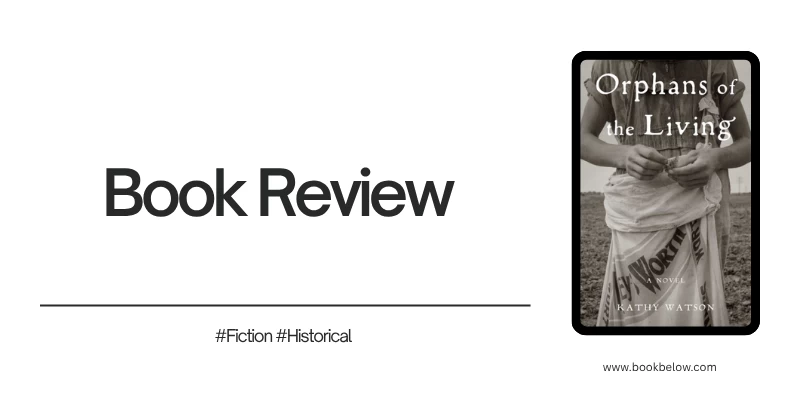
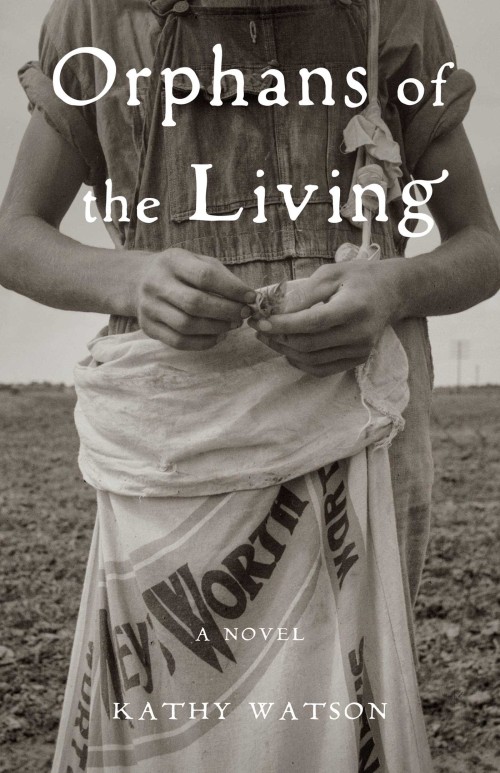
Kathy Watson’s first novel, Orphans of the Living, hit me hard and wouldn’t let go. It’s one of those books that sticks with you, set mostly in 1925 Mississippi, with pieces reaching to 1961. This historical fiction dug into the tough life of a sharecropper family wrestling with poverty, shattered dreams, and gut-wrenching choices.
The story came at me through three voices: Lula, Barney, and their daughter Nora. Lula’s part kicked off in a rundown shack on the Jenkins Plantation, where the constant buzz of cicadas matched her bone-deep despair. She was a mom of eight, pregnant again, stuck with a husband who barely noticed her. The scene where she tried to end her pregnancy? It felt like a kick in the chest. Watson’s words—gritty, vivid, almost like poetry—put me right there, feeling the dirt under Lula’s knees and the pain in her heart. It was heavy, no question, but I couldn’t stop reading.
Barney’s section took me back to 1912 Mexico, where he chased a wild dream of making it big with bananas. He was driven by ambition, but it often meant leaving his family behind. His talks with Luis, a Mexican dentist, were compelling, sparking fresh reflections on race and identity. That said, Barney’s section, weighed down by detailed backstory, could’ve moved faster. But man, there was this moment on a ship, where a man took his own life, and it stuck with me, a brutal reminder of how dark this book could get.
Nora’s story, running from the 1945s to the 1961s, was where the book shone for me. Her fight to escape her parents’ pain, her messy love with Sam, and her search for something like peace through faith—it was all so real. There’s this scene where she waded into the sea, almost letting it take her, and that scene brought tears to my eyes. Watson wrote it with such raw feeling that I was right there with Nora, drowning in her desperation. The way Watson tied Nora’s life to Lula’s, and later to her daughter Kathy and brother Glen, showed how pain keeps rippling through families across generations.
The book tackled big stuff: poverty, racism, gender, and the hope for freedom that’s always just out of reach. Watson handled these themes carefully, especially in Barney’s conversations with Black sharecroppers, which, alongside characters like Violet Byrd, laid bare the ugly inequalities of the time. Her writing was gorgeous—lines like cicadas “raining down like thunder” or Lula’s life as “an unending row of cotton” stuck in my head like a song.
It wasn’t flawless, though. Barney’s section, weighed down by detailed backstory, could’ve moved faster, and I wanted more of characters like Violet Byrd, whose fierce compassion in saving Lula’s life was unforgettable but too brief. Still, those are small gripes for a story that grabbed me so hard.
Reading Orphans of the Living was like sifting through the ashes of hardship—Lula’s exhaustion, Barney’s flawed dreams, Nora’s hunt for redemption—each sears the soul of anyone who’s ever struggled. It’s the kind of book that made me sit with it, think about it, and feel it. If you’re into historical fiction that breaks your heart but leaves you hopeful, you’ve got to read this, though be prepared for raw depictions of abortion, suicide, and racial prejudice.
“ If a book about failures doesn't sell, is it a success? ” ― Jerry Seinfeld

Help us improve by giving your feedback.
Submit Feedback