Home / Book Reviews / Lights in Cold Rooms
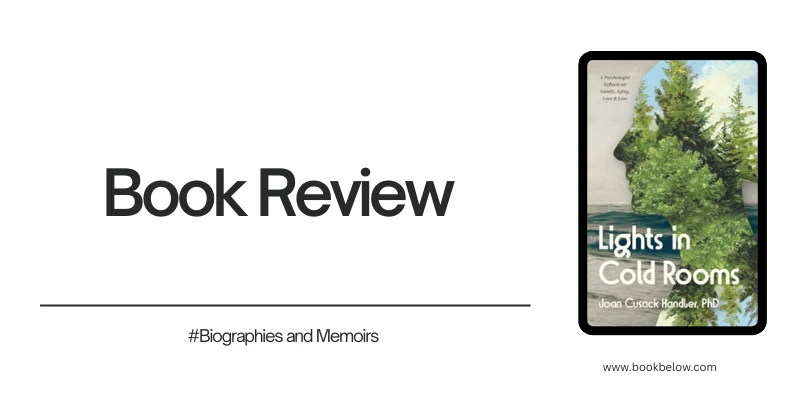
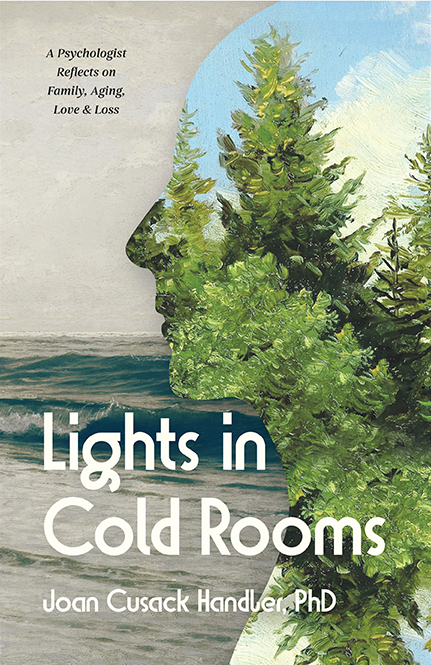
Joan Cusack Handler's "Lights in Cold Rooms" hits you right in the gut. Written during COVID-19 isolation, this memoir captures how the pandemic didn't just shut down the world - it shut down our sense of self.
A retired psychologist in her eighties, she found herself in an impossible situation. Depression was consuming her, but therapy wasn't available. So she turned to writing as self-analysis. The result is this deeply personal exploration of family, aging, love, and loss that reads like a conversation with a wise friend who's been through hell and back.
She doesn't hold back about growing up different. She writes about being the freakishly tall kid like she's still that eleven-year-old girl trembling in the school hallway. The styes, the boils, the way other kids looked at her - it's ugly and painful and real. The "transformation" isn't some magical makeover either. It's learning to live with yourself because you have no other choice.
But it's not just about her body. She digs deep into family stuff most people would rather keep buried. Her sister Catherine died during the pandemic, and the guilt and grief around that loss run through everything. There's this complicated dynamic with her son David, who often had to parent her during health crises - imagine being the kid who has to take care of your psychologist mom when she's falling apart. And the Catholic guilt? It's everywhere, this constant undercurrent of feeling not good enough.
The writing style jumps around, repeats itself, sometimes feels like reading someone's therapy notes. But that's the point - when you're depressed, your thoughts don't follow neat patterns. They spiral, circle back, and get stuck on the same painful things. She captures that perfectly. The book's five sections don't follow a neat narrative arc. It's more like watching someone's mind work through decades of pain in real time.
This book isn't going to make you feel good. It's not supposed to. At eighty years old, she's been through hell, and she's not pretending everything works out in the end. But there's something powerful about reading someone who's stopped trying to make their pain palatable for other people.
“ If a book about failures doesn't sell, is it a success? ” ― Jerry Seinfeld

Help us improve by giving your feedback.
Submit Feedback