Home / Book Reviews / Home: A Memoir of Family, Forgiveness, and Healing from Complex PTSD
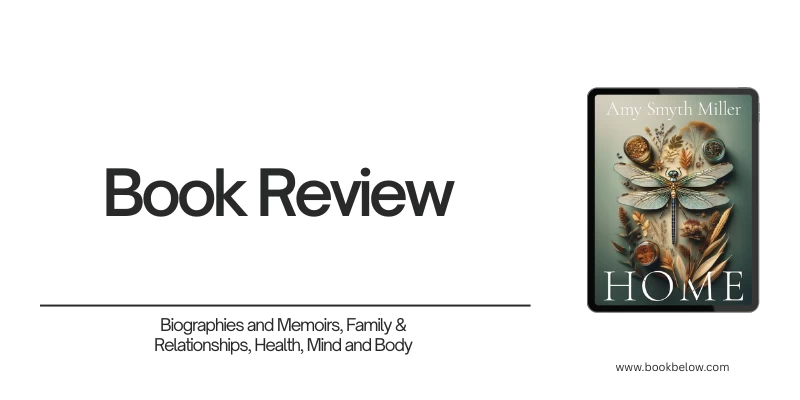
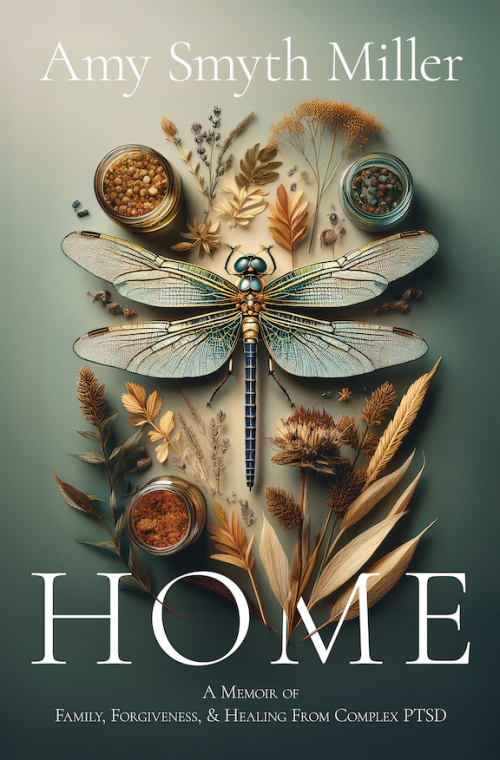
Home is Amy Smyth Miller's reckoning with a past she spent decades outrunning. A trained counselor and longtime educator, she brings uncommon authority to this memoir of family fracture, complex PTSD, and the slow, exacting work of healing what stability alone cannot fix.
Miller grew up moving between Nebraska towns and Arizona trailer parks, one of seven children in a family weighed down by addiction and the silences that follow. I kept waiting for the memoir to flatten that history into misery, and it doesn't. What stayed with me were the quieter threads: her great-grandmother's remedies and angel crowns, her brother mowing lawns to buy a ninth-birthday cake, teachers who saw potential behind dirty clothes and fear. The book opens when a health scare in her marriage sends her spiraling, then moves through decades, from a grandmother's suicide to a mother unresponsive on the couch and a graduation no parent attends. Miller doesn't ask for sympathy, and she never piles on for effect. She tells it straight and lets you carry what you need.
That restraint, I think, is part of why the craft behind the book deserves attention. As a counselor herself, Miller weaves research into the story without turning it into a textbook: lifespan integration therapy, the science of traumatic memory, protective factors that kept her afloat. Her prose has a sensory quality I wasn't expecting: peppermint and leather in Grandma's bedroom, bleach curling through a house before another move. The structure braids past and present rather than marching chronologically, which mirrors how traumatic memory actually works, and that choice gives the narrative a pull that strict chronology would have flattened.
It belongs on the shelf beside the difficult-family memoirs we already know, but earns its place on its own terms. I finished it unsettled in the best way, grateful for the company Miller kept me in along the way, and quietly changed by it.
“ Maybe Heaven will be a library and then I might get to finish my ‘to-read’ list. ” ― Kellie Elmore, Magic in the Backyard

Help us improve by giving your feedback.
Submit Feedback