Home / Book Reviews / Shameful Silence
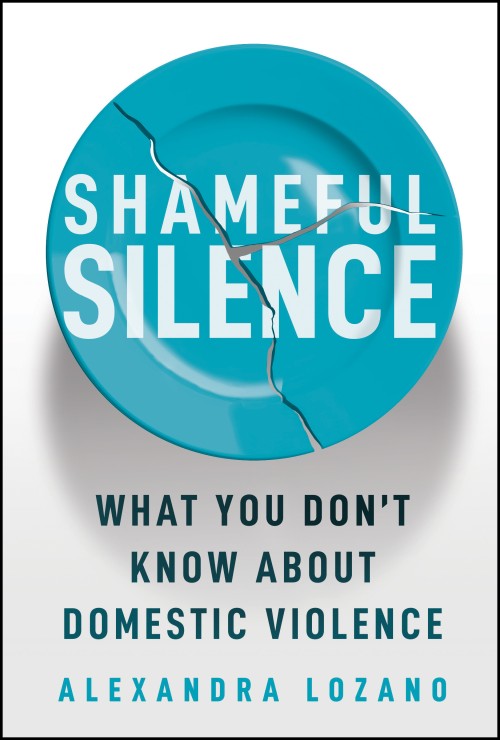
Shameful Silence makes you rethink who we picture as a victim. Alexandra Lozano writes with hard-earned urgency, returning to one quiet sentence: “No one will believe me.” Her ask is simple: make room for the people we’ve trained ourselves not to see.
Lozano doesn’t argue her point so much as she shows it. She opens with Miguel, an undocumented father who learns, the hard way, that the threat of deportation can be just as controlling as a raised hand, and then widens the lens through other men’s accounts. Tristan and Michael’s stories, in particular, capture how emotional abuse works: slowly, predictably, until you’re apologizing for things you didn’t do and calling it “normal.” What lingers is the book’s bleak refrain: when men reach out, they’re often met with doubt, jokes, or a process that isn’t built to hear them.
Because these are real lives, not case studies, the book hits with a quieter kind of force. Lozano writes plainly and keeps the focus on what survivors describe feeling and fearing: shame, disbelief, the risk of losing children, the way courts and police can become part of the trap. The “myth-busting” passages can circle back on themselves, but I also understood why: these are the same lines men hear everywhere. A handful of the bigger assertions would land even better with a little more grounding in the main narrative, rather than leaving the reader to chase the citations.
By the end, through Bernie’s hard-won exit and the epilogue’s call for education, media accountability, and better resources, the book lands where it should: not in pity, but in responsibility. If you’ve ever pictured only one kind of victim, this book will change what you see.
Help us improve by giving your feedback.
Submit Feedback