
Home / Book Reviews / Palms Up Leadership: Developing Our Future Leaders
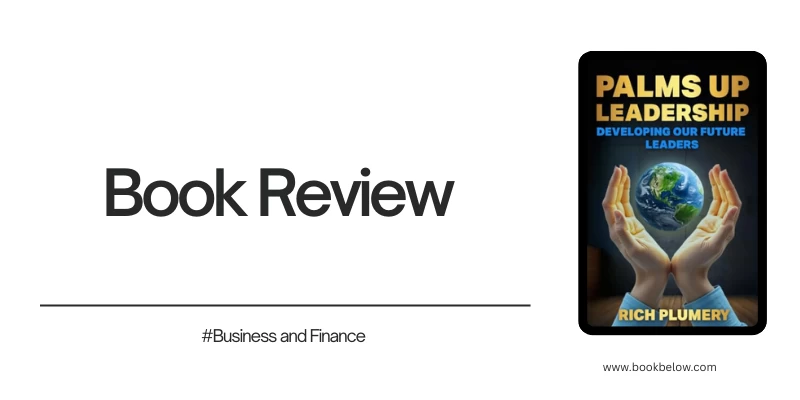
Rich Plumery's "Palms Up Leadership" is one of those books that catches you off guard with its authenticity. You start reading expecting another corporate leadership manual, but what you get is something much more personal and genuinely useful.
The book centers on Plumery's "Palms Up Leadership" philosophy, which is built on three core principles: Enable, Engage, and Embrace. What makes this approach compelling isn't just the framework itself, but how Plumery arrived at it. His journey from college dropout and bartender to senior vice president at AECOM reads like something out of a movie - and that's not hyperbole. The guy was literally fired from his first construction job for incompetence, yet somehow became one of the most respected leaders at a Fortune 500 company.
What really caught my attention was the Maui fire story. Plumery's near-death experience during the 2023 wildfires isn't just dramatic storytelling - it's a powerful metaphor for leadership itself. Sometimes you have to trust your instincts, even when the path forward isn't clear. That gut feeling that saved his life is the same kind of intuition he argues leaders need to develop.
What sets this apart from other leadership books is Plumery's willingness to be vulnerable. He doesn't hide his failures or struggles. The writing feels conversational, like you're getting advice from a mentor who's been through it all. It's refreshing to read leadership advice from someone who actually built something meaningful rather than just theorizing about it.
The three E's framework is simple but not simplistic. Enable means removing barriers and providing resources. Engage involves listening and fostering collaboration. Embrace creates belonging and psychological safety. It's the kind of model you can actually implement without needing a PhD in organizational psychology.
Look, the book has its flaws. Some parts drag on a bit, and not everyone will connect with the corporate success stories. But honestly? If you're trying to figure out how to lead people better, especially with all the chaos happening in workplaces these days, this book actually helps. I'd probably recommend it to a colleague who's struggling with their team.
“ If a book about failures doesn't sell, is it a success? ” ― Jerry Seinfeld


Help us improve by giving your feedback.
Submit Feedback